No. 72Health3 minviews 38
Published by GK Library Annex
Do tricks for stopping hiccups really work?
Cold water, holding your breath, a spoonful of sugar. What does science make of these family remedies?
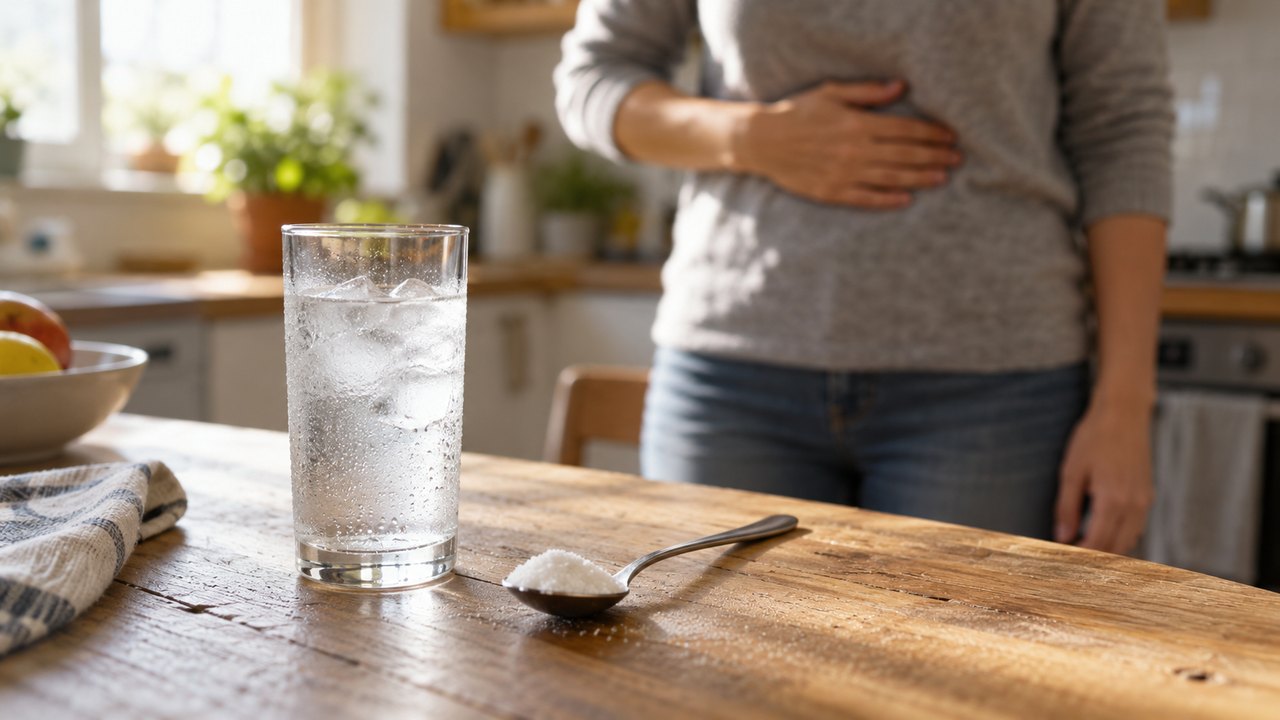
Hiccups happen when the diaphragm, the muscle between the chest and the belly, twitches on its own. The moment you suddenly draw in a breath, the vocal cords snap shut, and that makes the “hic” sound. Most hiccups stop by themselves within a few minutes.
The sound comes from the vocal cords
The diaphragm is the muscle that moves up and down with every breath. When it contracts once unexpectedly, air rushes in, and right after that the vocal cords close quickly to block it. The sound of that blocked air is the hiccup.
Hiccups often start after eating too fast, drinking fizzy drinks, laughing hard, or feeling nervous. More often, though, they come for no clear reason.
No trick works for everyone
The UK's National Health Service (NHS) suggests things like sipping cold water, holding your breath for a short time, swallowing sugar, biting a lemon or tasting vinegar, and pulling your knees to your chest while leaning forward. At the same time, it says plainly that although many people find them helpful, there is no evidence they work for everyone.
Holding your breath or swallowing cold water can briefly change your breathing rhythm, and some people's hiccups stop. But since hiccups usually stop within a few minutes anyway, the last trick you tried is easy to remember as the one that worked.
Does a sudden scare help?
Sneaking up behind someone with hiccups and shouting “Boo!” is another well-known trick. But it is not on the NHS list, and there is no evidence that it works. In fact, the NHS names stress and strong emotions like excitement as things that can trigger hiccups.
Breathing into a paper bag is on the list, but the NHS adds a separate warning not to put the bag over your head. The more a method feels like a game, the more it pays to think about safety first.
If they're frequent, look at how you eat
If you get hiccups often, start by looking at how you eat and drink. The NHS advises avoiding fizzy drinks, alcohol, and hot drinks, and not eating too quickly. Chewing gum or smoking makes you swallow air, and spicy food or something very cold right after something hot can also set hiccups off.
It advises seeing a doctor if hiccups last longer than 48 hours or come back so often that they disrupt your life. In rare cases they can be caused by another condition or a medicine you're taking.
Related reads
Hiccups are the sound of a diaphragm contraction followed by the vocal cords closing. Time often works more reliably than a trick.
Notes and references · NHS “Hiccups” · MedlinePlus. NHS (reviewed June 2023): no evidence that home remedies work for everyone, foods and habits to avoid, see a doctor after 48 hours. In most cases there is no clear cause (MedlinePlus).
Editorial standardsReport an error
Quick quiz