No. 97Numbers3 minviews 45
Published by GK Library Annex
Is sharing a birthday with a classmate more common than you think?
A year has 365 days, so how many people does it take for two birthdays to match?
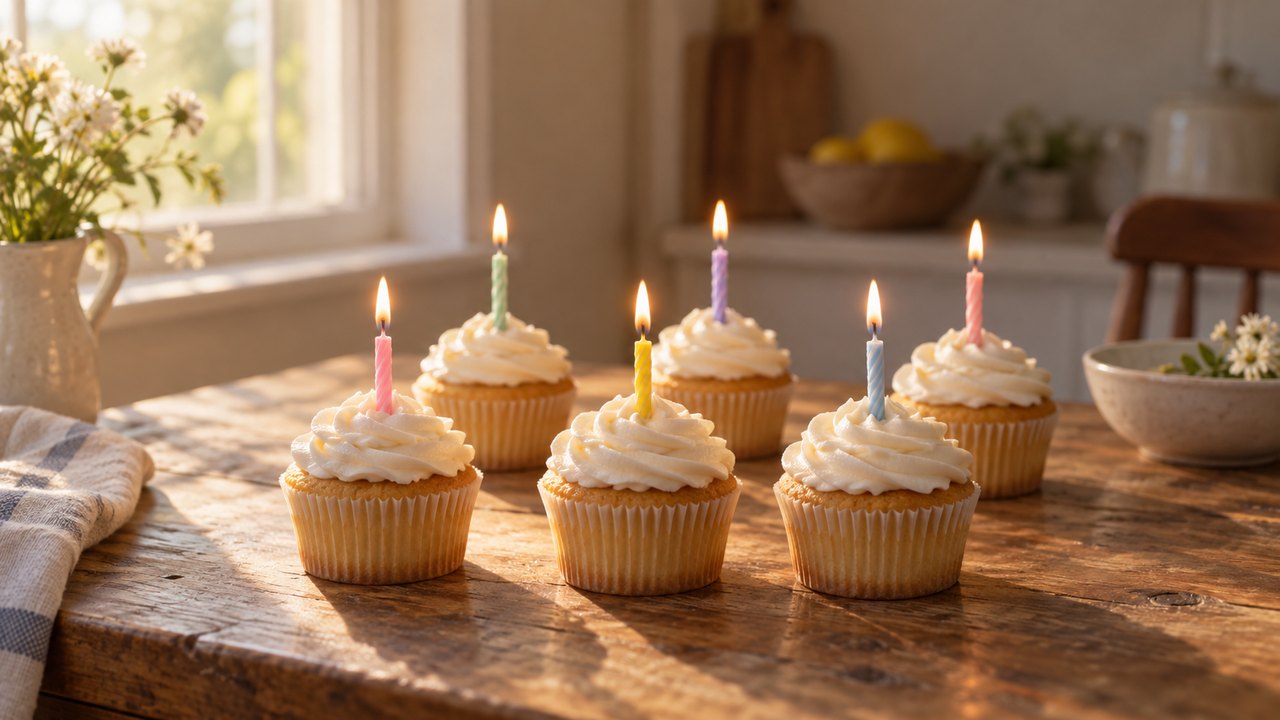
Two people sharing a birthday is far more common than it seems. In a random group of just 23 people, the chance that at least one pair shares a birthday is about 50.7%, almost exactly one in two. Given that a year has 365 days, that is a surprisingly small number.
It is not about your birthday
The number feels odd because we usually picture someone who shares our own birthday. But the question is whether any two people in the group match. With 23 people, there are 253 different ways to pair them up.
The first person can be compared with the other 22, the second with the remaining 21, and so on. Add it all up and the number of pairs grows quickly, and so do the chances that two birthdays land on the same day.
Count the misses first
The math is easier backwards. Work out the chance that everyone has a different birthday, then subtract it from the whole. The second person differs from the first with a chance of 364 out of 365, and the third differs from both with 363 out of 365. Multiply this all the way to 23 people and you get about 49.3%, leaving about 50.7% for a shared birthday.
As the group grows, the chance climbs fast: about 71% with 30 people, about 97% with 50, and about 99% with 57.
The “you need 183 people” myth
Many people guess you would need about 183, more than half the days in a year, to reach even odds. That mixes this up with finding someone who shares your own birthday. In a group of 23, the chance that someone matches your birthday is only about 6%, and to push that past one half you would need to ask about 253 people. It takes more than 183 because some of the people you ask share birthdays with each other.
You might think birthdays bunching up in certain months would break the math, but any unevenness actually nudges the chance of a match up a little. Analyses of real birth data still put the even-odds group size at 23.
World Cup squads and computer security
At the 2014 World Cup in Brazil, the BBC checked the lists of all 32 squads of 23 players and found that half of them, 16 squads, had players sharing a birthday. South Korea’s team had two such pairs.
The same idea matters in computer security. When files are turned into short fingerprint values called hashes, two items can end up with the same value far sooner than the huge number of possible values suggests. Attacks that exploit this are called “birthday attacks,” which is why security hashes are made deliberately long.
Related reads
Just 23 people give about even odds that two share a birthday, because what counts is every possible pair, not your own birthday, and the pairs add up fast.
Notes and references · Britannica·Wikipedia. Based on Britannica’s “Birthday problem” (23 people about 50%, 57 about 99%, the 183 myth, 253 people) and Wikipedia’s “Birthday problem” (probability table, 2014 World Cup BBC analysis, birthday attacks). Assumes evenly spread birthdays and skips February 29.
Editorial standardsReport an error
Quick quiz