No. 131Money3 minviews 42
Published by GK Library Annex
Does a 10-won coin cost more than 10 won to make?
Even a single 10-won coin in your wallet has its own minting cost. What happens when the metal is worth more than the coin?
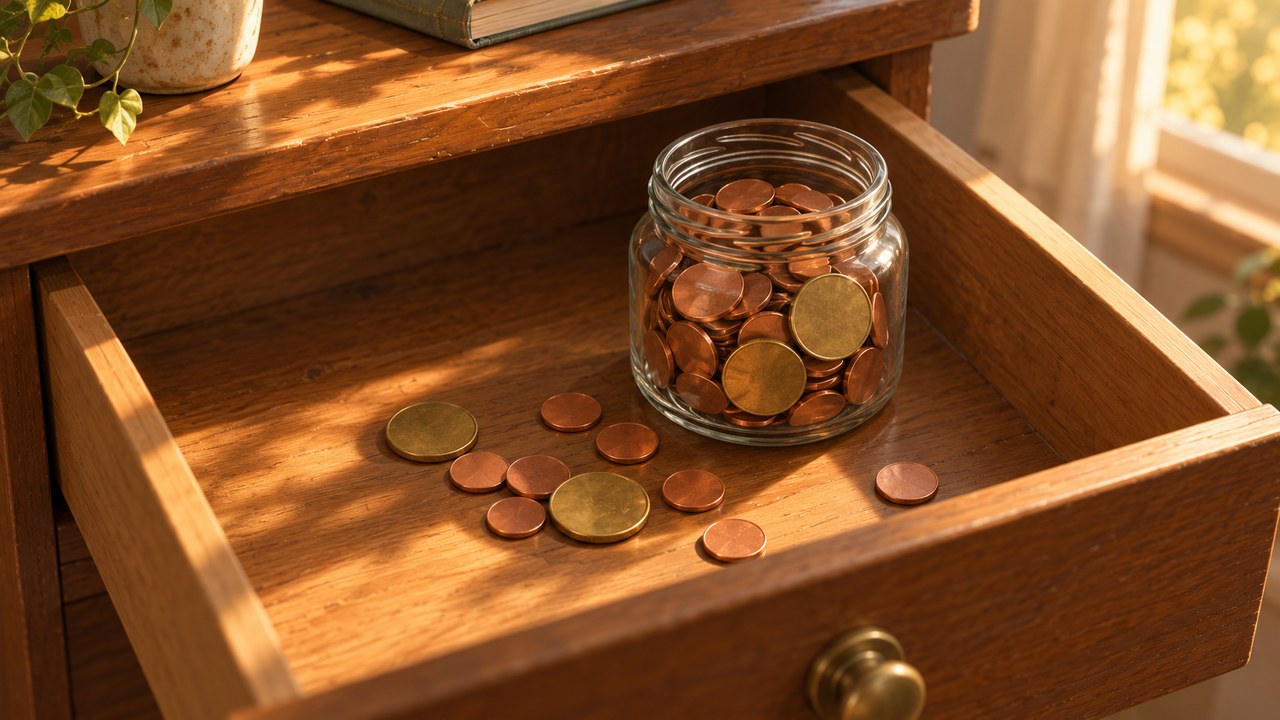
Making a single 10-won coin still costs more than 10 won today. In 2006 the metal alone was worth 24 won, so the Bank of Korea remade the coin smaller and lighter, and the United States stopped producing its 1-cent coin for similar reasons.
The old 10-won coin held 24 won of metal
The 10-won coin first issued in 1966 was made of brass, a mix of 65% copper and 35% zinc, and weighed 4.06 g. Around 2006, prices of copper and zinc jumped sharply, and as of the end of July that year the metal in a single coin alone was worth about 24 won. Adding the cost of striking it, each coin cost around 40 won.
That means it took nearly four times its value to make a 10-won coin. When the metal is worth more than the face value, another problem appears: melting the coin pays better than spending it.
A smaller, lighter new 10-won coin
The Bank of Korea released a new 10-won coin starting December 18, 2006. It is made of an aluminum disc with thin copper layers on both sides, a material used in a coin for the first time anywhere in the world. Its diameter shrank from 22.86 mm to 18 mm, and its weight from 4.06 g to 1.22 g.
As a result, the metal value fell to 5 to 6 won, but the cost of striking it was still in the 20-won range. Even so, it saved about 4 billion won a year. The reddish 10-won coin in your wallet today is this very coin.
Melting coins is punishable
Some people actually did melt the old 10-won coins. In 2006, necklaces made from the coins were sold in Daejeon, and in 2010 a gang was caught after melting large numbers of old 10-won coins into metal lumps and selling them for hundreds of millions of won.
Since December 2011, under the revised Bank of Korea Act, melting, pressing, or crushing coins for profit without permission is punishable. Today the penalty is up to one year in prison or a fine of up to 10 million won. The large, yellowish old 10-won coins are still valid money.
The US stopped making the penny
The cost of making a US 1-cent coin rose from 1.42 cents to 3.69 cents over ten years. In the end, the last circulating penny was struck at the Philadelphia Mint on November 12, 2025. The roughly 300 billion pennies already out there can still be used.
A coin costing more than its face value to make doesn't mean a loss every time it's spent. Once made, a coin passes through countless hands over many years. The problem comes when new coins keep having to be struck instead of the ones sleeping in drawers. Spending the coins you've collected or taking them to a bank means that many fewer new coins need to be made.
Related reads
A 10-won coin still costs more than 10 won to make. So the material was changed, melting is banned by law, and existing coins are kept circulating for years.
Notes and references · Bank of Korea press release (2006) · US Mint Penny FAQs. The old coin's ~24-won metal value (end of July 2006) and the new coin's 20-won-range cost are 2006 figures and may differ today. The penny's 3.69 cents is for fiscal 2024.
Editorial standardsReport an error
Quick quiz