No. 152Nature4 minviews 9
Published by GK Library Annex
Do red and yellow leaves turn the same way?
Yellow was hiding in the leaf all along, while red is a color the leaf makes fresh in autumn.
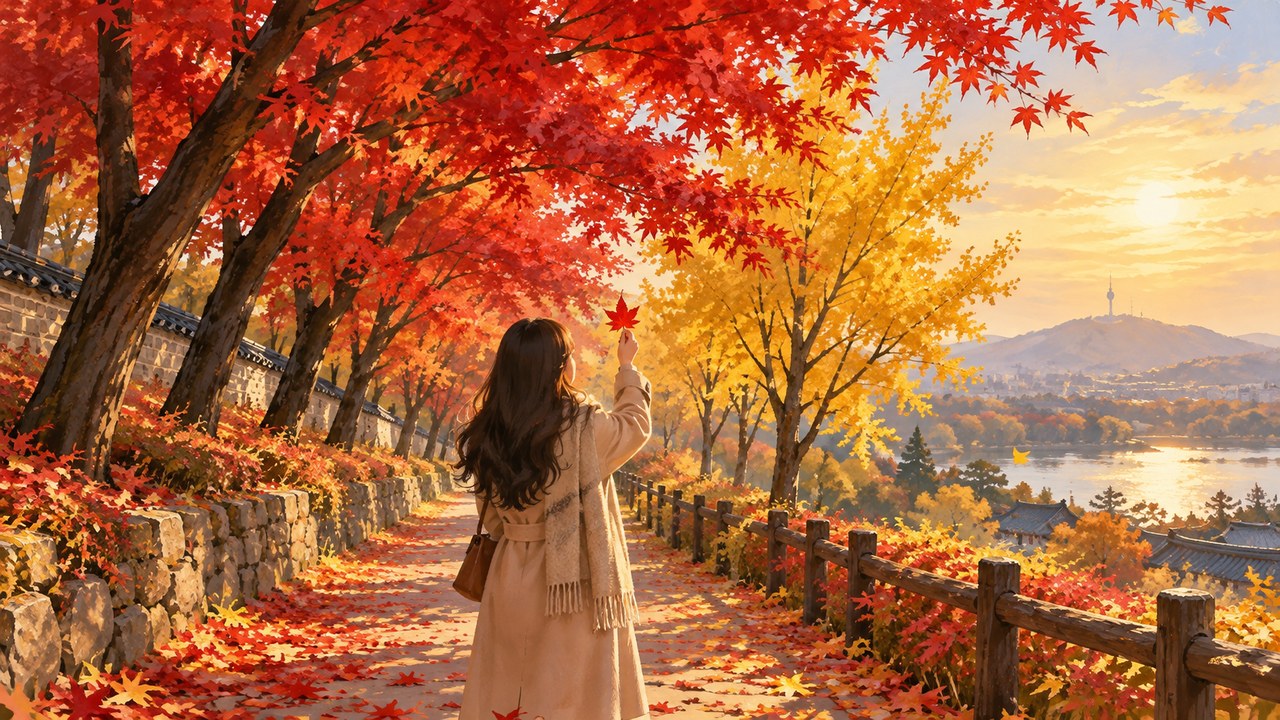
No, they don't. The yellow of ginkgo leaves is in the leaf all summer and shows up once the green fades. The red of maple leaves is a color the leaf only starts making in autumn. That is why red foliage can look quite different from year to year, depending on the weather.
The hidden yellow
Summer leaves are green because they are packed with chlorophyll, the pigment that uses sunlight to make food. Leaves also contain yellow and orange pigments called carotenoids, but there is so much chlorophyll that the green hides them.
In autumn, as days get shorter and temperatures drop, trees stop making chlorophyll, break it down and pull the nutrients back toward the branches. Once the green is gone, the yellow that was hidden all along shows through. Ginkgo and birch trees turn a similar yellow every year because that color was already in the leaf. When a colored leaf finally dries to brown, you are seeing substances such as tannins that remain after the cells die.
The newly made red
The red of maple leaves comes from pigments called anthocyanins. There is almost none in summer leaves; in autumn they are newly made from sugars left in the leaf. A common misunderstanding is that red, too, was hiding all along. In fact, red is a color the leaf goes out of its way to make just before it falls.
Why a tree would paint fresh color on a leaf it is about to drop is still debated among researchers. A leading explanation is that the red pigment filters strong sunlight, helping the tree get safely through the last few days while it pulls nutrients out of the leaf. Another hypothesis says red leaves are a warning signal to insects.
Weather that makes a fine red
The more sugar in the leaf, the deeper the red. So autumn color is at its best when clear, sunny days alternate with nights that are chilly but not freezing. Sugar made during the day drains out of the leaf less at night and builds up inside. On the other hand, long stretches of cloudy, rainy days or an early hard frost make the red dull, and leaves turn brown and fall sooner.
Even on the same tree, the outer leaves that get lots of sun are often redder than the shaded leaves inside. On a walk, you can check this right away by comparing the outer and inner leaves of a single tree.
Yellow autumn leaves reveal a color that was already there, while red ones show a color the leaf newly makes thanks to autumn sun and cool nights.
Notes and references · USDA Forest Service; Lee & Gould (2002), American Scientist. Besides the light-screening idea, other hypotheses exist for why leaves make red pigment, so it is still debated; colors also vary by tree species and local weather.
Editorial standardsReport an error
Quick quiz