No. 110Nature4 minviews 38
Published by GK Library Annex
At night, distant sounds come through clearly
When night feels louder than day, quiet alone may not explain it.
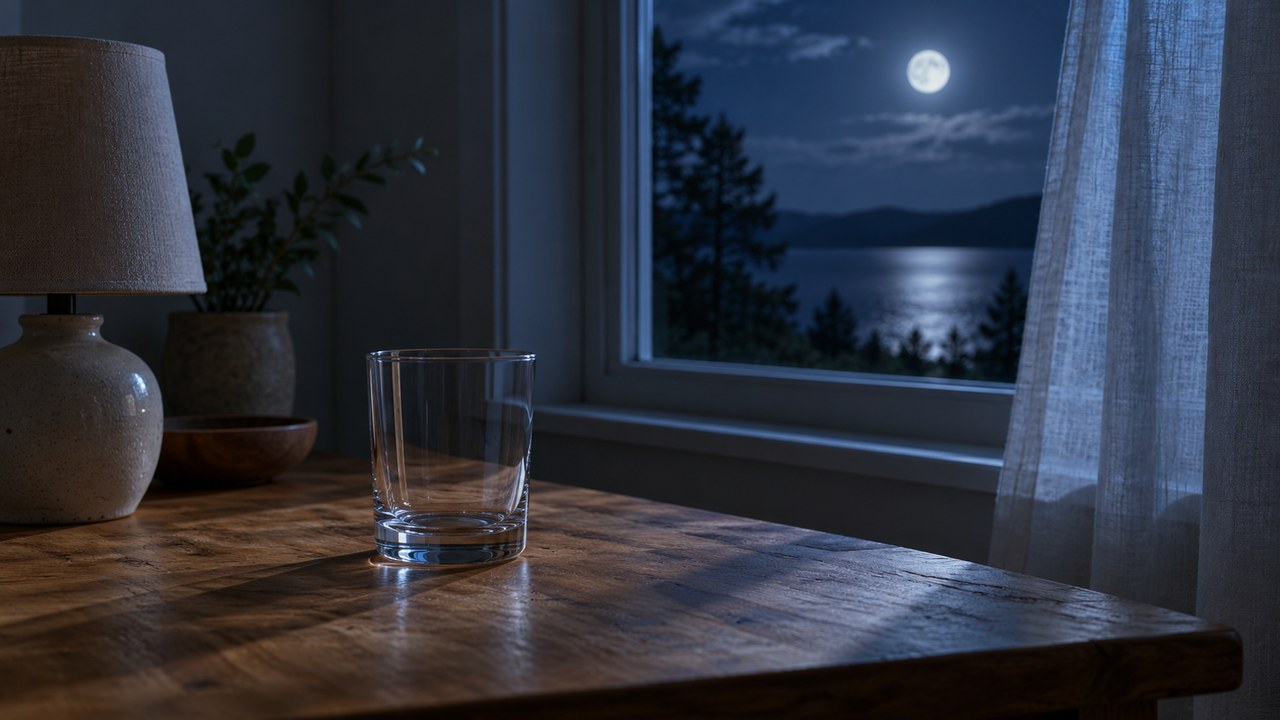
At night, car noise or a neighbor’s voice you barely notice by day can sound sharp. It is not only because the world went quiet. When air near the ground cools, sound paths can bend downward and reach farther.
By day, sound bends upward
In daylight the sun warms the ground, so air just above it is warmer than the air higher up. Sound travels faster in warmer air. The part of the wave nearer the ground outruns the part above, and the path curves toward the sky.
Farther out, a shadow zone can form. You may see where the sound comes from, yet the wave has bent upward and never quite reaches your ear. That is one reason a distant daytime noise can feel farther away than it looks.
At night it bends back down
After sunset the ground cools quickly while the air above stays warm for a while. Cool air below warmer air is a temperature inversion. Then the upper part of the wave moves faster, and the path curves toward the ground.
Camp voices across a lake can sound clear, or a night train can feel closer than by day, for the same reason. The sound did not get louder; the same sound is carried better along the surface.
Quiet is not the only reason
A common line is that daytime noise simply buries the rest. That is true too. When cars, construction, and chatter drop, small sounds stand out more. Your ears are also ready to listen.
Contrast alone does not explain everything. Sound traveling farther at night over the same distance also comes from temperature changing with height so the bend flips. Wind direction can ferry sound toward you or push it away.
Where you hear it more
Clear, light-wind nights over flat ground or water hold inversions well. Clouds or strong wind mix the air and break them. That is why clear winter nights often feel especially “loud.”
A barely open window can make one direction sharper. If a noise bothers you only at night, someone may not have gotten louder—the path and the contrast may have changed.
Related reads
Night sound is not only quieter air; a temperature inversion can bend sound paths down so they travel farther.
Notes and references · IOA CAS · Britannica refraction. Daytime lapse bends sound up; nighttime inversion bends it down (IOA CAS). Britannica Sound/Refraction. NOAA notes inversions can reinforce thunder. Wind and terrain vary by case.
Editorial standardsReport an error
Quick quiz