No. 166Language3 minviews 9
Published by GK Library Annex
Is it OK to say “Sugohaseyo” to your boss?
A Korean goodbye that isn’t wrong, but can sting depending on who hears it
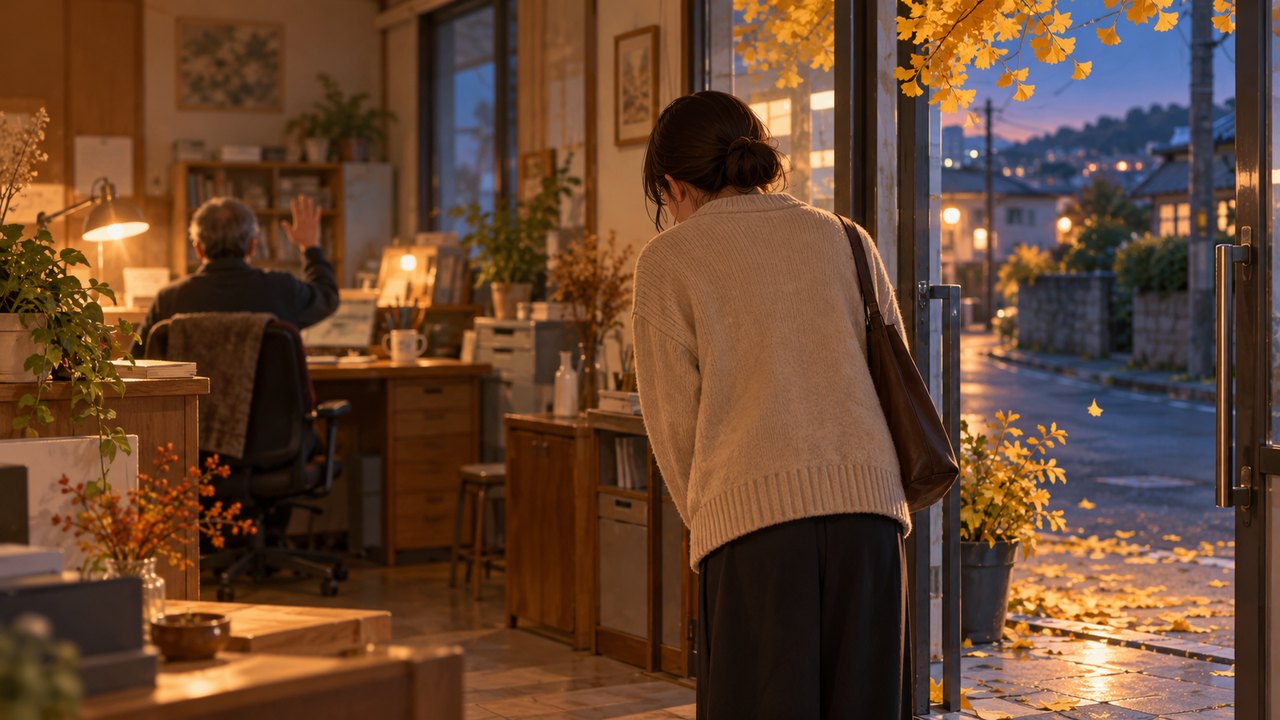
When you leave work, can you say “sugohaseyo” (수고하세요) to your team leader? The National Institute of Korean Language’s Standard Language Etiquette says it is better not to use this phrase with someone senior to you. Not because the grammar is wrong, but because the listener may feel slighted. It is a phrase you also hear when greeting people working at shops or public offices, so it is worth a closer look.
What does “sugo” mean?
“Sugo” (수고) means putting your body and mind into work, in other words toiling or going through hardship. So read literally, “sugohaseyo” is close to “keep toiling” or “keep working hard.”
On top of that, the ending “-haseyo” (-하세요) is a form that urges the other person to do something. When someone leaving early says it to a senior who is still working, it sounds like urging them to keep struggling, so the listener may find it awkward or a little hurtful. The speaker means it as thanks, but the listener can take it differently, and that is the problem. For the same reason, “gosaenghaseyo” (고생하세요, “keep going through hardship”) can also sound awkward to a senior.
Two common misconceptions
First, thinking “sugohaseyo” is simply a wrong expression is a misconception. Standard Language Etiquette itself says you can use it with peers or junior staff, as in “Meonjeo gamnida. Sugohaseyo” (먼저 갑니다. 수고하세요, “I’m heading out first. Keep up the good work”). It is also natural for someone staying behind to tell a junior “Jal gayo. Sugohaesseoyo” (잘 가요. 수고했어요, “Get home safe. Thanks for your work”).
Second, the idea that adding honorifics, as in “sugohasyeosseumnida” (수고하셨습니다), makes it fine is not quite right either. The institute advises that “sugohasyeosseumnida” and “gosaenghasyeosseumnida” (고생하셨습니다) are also not ideal for seniors. Still, this is a recommended standard, not a rule fixed like a law.
Try saying this instead
When you leave before a senior, it is easier to describe your own action than to tell them to do something. Standard Language Etiquette recommends “Meonjeo gagetseumnida” (먼저 가겠습니다, “I’ll be going first”), “Meonjeo deureogagetseumnida” (먼저 들어가겠습니다, “I’ll head home first”), and “Naeil boepgetseumnida” (내일 뵙겠습니다, “I’ll see you tomorrow”).
On a day someone helped you, it is also nice to name what you are grateful for, as in “Dowajusyeoseo gomapseumnida” (도와주셔서 고맙습니다, “Thank you for helping me”). The person staying behind can simply say “Annyeonghi gaseyo” (안녕히 가세요, “Go safely”) to the one leaving. The common “Meonjeo sillyehagetseumnida” (먼저 실례하겠습니다, “Excuse me for leaving first”) is considered better avoided, since it does not yet fit Korean sensibilities.
With seniors, instead of “sugohaseyo,” describe your own action, like “Meonjeo gagetseumnida” or “Naeil boepgetseumnida.”
Notes and references · NIKL, Standard Language Etiquette (2011). Greeting guidelines quoted in the National Institute of Korean Language’s online Q&A. They are recommendations, not rules, and the phrase is common even with seniors, so reactions vary.
Editorial standardsReport an error
Quick quiz