No. 63Language3 minviews 34
Published by GK Library Annex
Does “괜찮아요” mean yes or no?
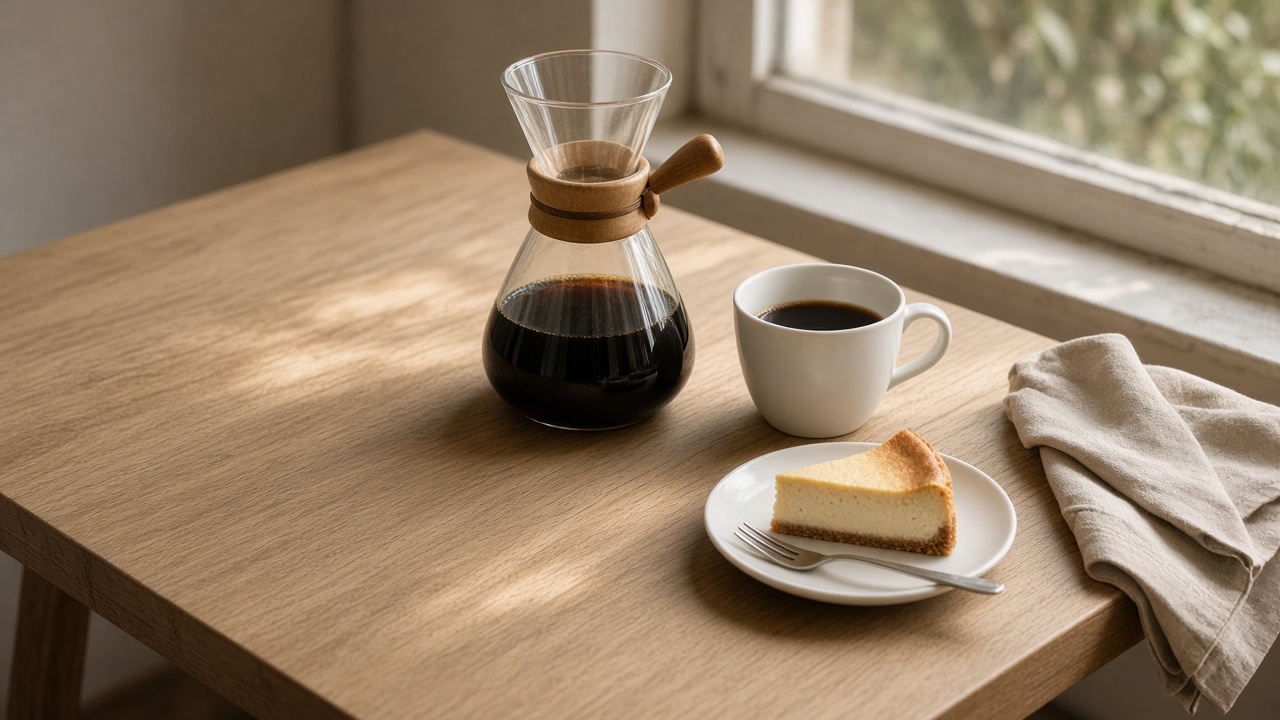
You ask, “Would you like more coffee?” and hear “괜찮아요.” You pause, cup in hand.
The dictionary meaning of “괜찮아요” is that there is nothing to worry about. After an offer, it can politely mean you need not do anything. After a question about an injury, it can reassure someone that nothing is wrong. The meaning stays the same; the words before it tell us what is okay.
The words before it tell us what is okay
When you ask, “Would you like more coffee?” and hear “괜찮아요,” what is okay is not having any more coffee. So it sounds like “You need not give me more”—a polite refusal. The word does not carry a separate meaning of dislike. Its meaning of having nothing to worry about takes the place of a refusal when it follows an offer.
In the Standard Korean Language Dictionary, “괜찮다” covers both “not particularly bad and at least average” and “having no trouble, problem, or cause for worry.” A polite refusal after an offer comes from the second sense. If you only memorize “the word means refusal,” you can miss how the words before it change the use.
It can mean yes, too
In Korean conversation, people tend to avoid answering an offer with a blunt “No” or “I don't want it,” so “괜찮아요” often fills that space. But the same expression can also mean that something is fine—a positive answer. It may mean either “You can stop giving me more” or “Yes, that would be fine,” leaving the person asking unsure.
English okay can also sound different by situation, like “I'm fine” versus a soft refusal. Needing more than the word alone is not unique to Korean. That is why, at a café or at home, you may pause with the cup still in your hand.
What comes next settles the meaning
In real conversations, people rarely stop at “괜찮아요” alone. “괜찮아요, 배불러요” (“I'm fine, I'm full”) is a refusal, while “괜찮아요, 조금만 주세요” (“That's fine, just a little, please”) means acceptance. Holding out a palm slightly or shaking your head also points toward refusal.
If it is still unclear, asking once more is the surest way to know. A check such as “Should I leave it?” can shorten the pause with the cup in hand. When you say “괜찮아요” yourself, adding a short follow-up also helps the other person less confuse the meaning.
Related reads
“괜찮아요” has the single meaning that there is nothing to worry about, but the surrounding words tell us what is okay.
Notes and references · Standard Korean Language Dictionary: 괜찮다. “괜찮다” is defined as not particularly bad and at least average, or as having no trouble, problem, or cause for worry. A polite refusal after an offer comes from the second meaning.
Editorial standardsReport an error
Quick quiz