No. 70Money3 minviews 32
Published by GK Library Annex
Does ‘buy one, get one free’ really mean half price?
A ‘1+1’ offer gives you an extra item for the price of one. Are you really saving half at the checkout?
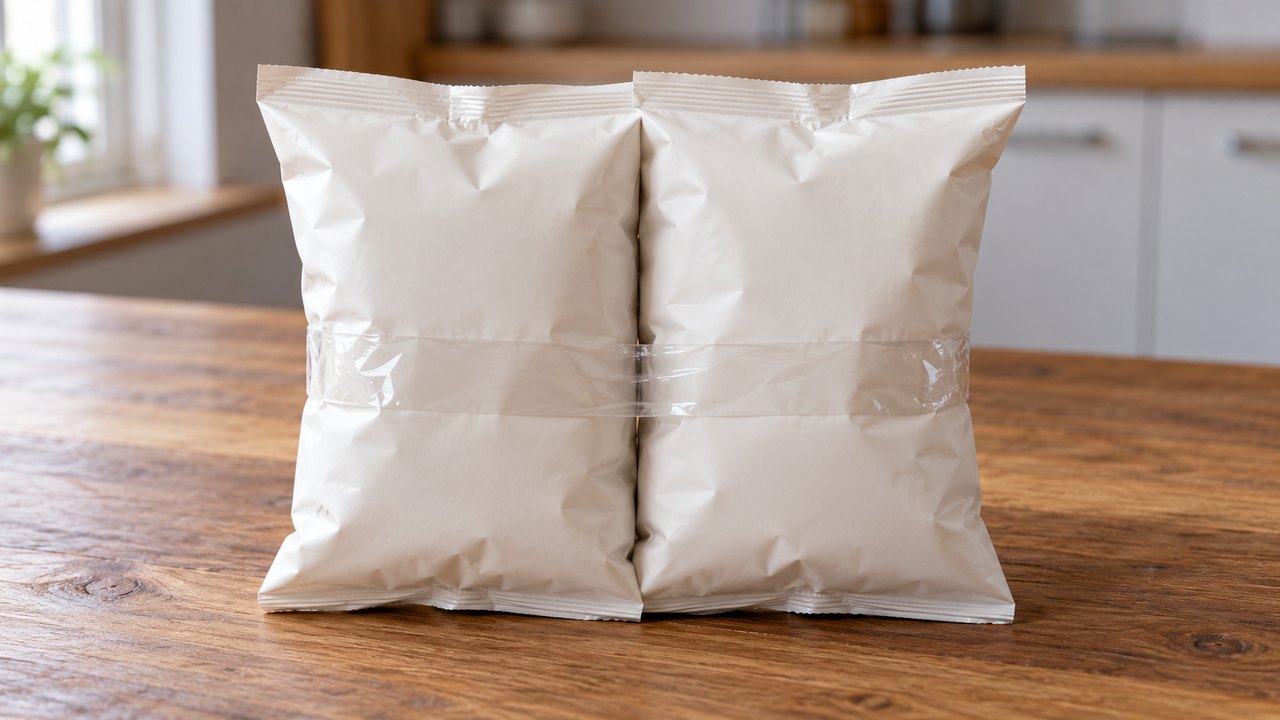
A ‘1+1’ offer means two items for the price of one, which sounds like half price per item. But that is not always the case. To know whether it is really half price, you have to compare the offer with the item's usual price before the promotion.
The usual single-item price is the baseline
For ‘1+1’ to mean half price, the promotional price must be the same as the usual price of one item. Suppose a snack normally costs 3,000 won, but a ‘1+1’ offer costs 5,000 won. Two items for 5,000 won means 2,500 won each—500 won off each item, rather than half price. If the offer costs 6,000 won, you save nothing. Remembering the usual price helps you spot a quiet increase made for the promotion.
Courts have examined this too
A supermarket was in fact sanctioned by the Korea Fair Trade Commission after advertising ‘1+1’ offers at prices higher than usual. In 2018, the Supreme Court ruled that if the ‘1+1’ price equals or exceeds twice the actual single-item price shortly before the promotion, it may be false or exaggerated advertising that misleads consumers. The ‘1+1’ label alone does not guarantee a saving.
Is ‘1+1’ always the better deal?
When ‘1+1’ and ‘2+1’ offers sit side by side, it is easy to assume ‘1+1’ is always cheaper. If the usual prices are the same, ‘1+1’ gives half price per item, while ‘2+1’ means buying three items for the price of two, taking about a third off each. But that only holds when the promotional price matches the usual price. If a drink that normally costs 2,000 won is sold as ‘1+1’ for 3,600 won, each costs 1,800 won. If ‘2+1’ is 4,000 won, each costs about 1,333 won, so ‘2+1’ is actually cheaper. Dividing out the price per item is more accurate than going by the offer's name.
Check unit prices and how much you will use
Unit prices such as ‘per 100 g’ or ‘per item,’ printed in a corner of the price label, let you compare promotional items directly with others. Also consider whether you will really use the second item. A Public Health England analysis found that promotions increased the amount of food and drink people bought by about one-fifth. Anything you cannot use and throw away is not money saved. For things you buy often, taking a photo of the usual price tag on your phone lets you compare right away during a promotion. For items with a short shelf life, such as milk or tofu, also check whether you can finish the second one before its date.
Related reads
Compare a ‘1+1’ offer with the usual single-item price before the promotion to see whether it is half price. Consider whether you will actually use the second item too.
Notes and references · Supreme Court of Korea, judgment 2017Du60109, July 12, 2018. A supermarket case found that a ‘1+1’ price at least twice the actual single-item price shortly before the promotion could be false or exaggerated advertising. The roughly one-fifth increase in purchasing comes from Public Health England's 2015 analysis, not Korean figures.
Editorial standardsReport an error
Quick quiz