No. 211Health4 minviews 113
Published by GK Library Annex
One nostril is blocked, even without a cold
Your two nostrils take turns resting every few hours
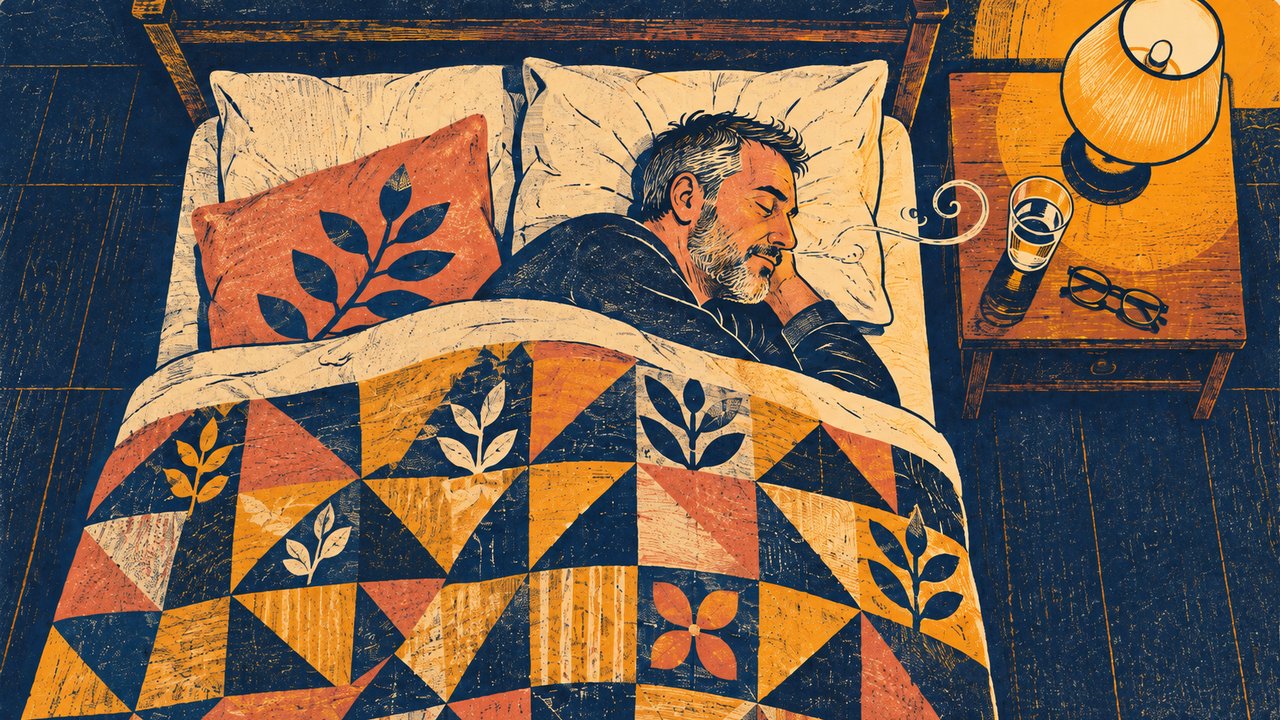
Sometimes only one nostril feels stuffy even when you don't have a cold. In most cases, that's just your nose doing its normal job. Your two nostrils aren't open equally: when one swells a little and narrows, the other widens, and they take turns like this. It's called the nasal cycle.
Tissue inside the nose swells and shrinks
The walls inside your nose have soft tissue packed with blood vessels. When a lot of blood gathers there, the tissue swells and the passage narrows; when the blood drains, it opens up again. The autonomic nervous system drives this in opposite directions on the left and right, so while one side is congested, the other is clear.
In 1895, the German physician Richard Kayser was the first to describe this. Since then, several studies have found a clear cycle in about 70 to 80% of healthy adults. Interestingly, even as the two sides switch, the total amount of air flowing through the nose stays almost the same. That's why you usually don't notice the change.
How often does it switch?
A study published in the journal PLOS ONE in 2016 measured the nasal airflow of 33 healthy people over 24 hours. One side stayed more open for about 2 hours on average, but this varied widely from person to person, from 15 minutes to more than 10 hours. During sleep, the switches came at longer intervals than while awake.
Posture matters too. When you lie on your side, the lower nostril often gets blocked while the upper one opens. Observations from the 1920s found it took about 25 minutes on average for the lower side to swell fully, and turning the body over made the other side swell. That's also why rolling over at night so the blocked side faces up can make breathing easier.
Why take turns at all?
There's no firm answer yet, but there are a few explanations. One idea is that the resting side gets time to regain moisture and recover the lining that filters out dust.
There's also research related to smell. In an experiment published in the journal Nature in 1999, a nostril with fast airflow and one with slow airflow were each slightly better at picking up different smells. The interpretation is that when the two nostrils breathe at different speeds, you can detect a wider range of odors.
However, if the same side stays blocked for days, or comes with nosebleeds or pain, the cause may be something other than the cycle.
A blocked nostril without a cold is usually the natural cycle in which your two nostrils take turns resting every few hours.
Notes and references · Kahana-Zweig et al., PLOS ONE 2016; Sobel et al., Nature 1999. 24-hour measurements of 33 people found one-side dominance lasting about 2 hours on average (15 minutes to over 10 hours), with more flow in the upper nostril when lying on one side. Why the cycle exists is still a hypothesis.
Editorial standardsReport an error
Quick quiz