No. 252Health4 minviews 178
Published by GK Library Annex
Why Do Mosquito Bites Itch?
Because your immune system reacts to mosquito saliva. Histamine causes both the swelling and the itch.
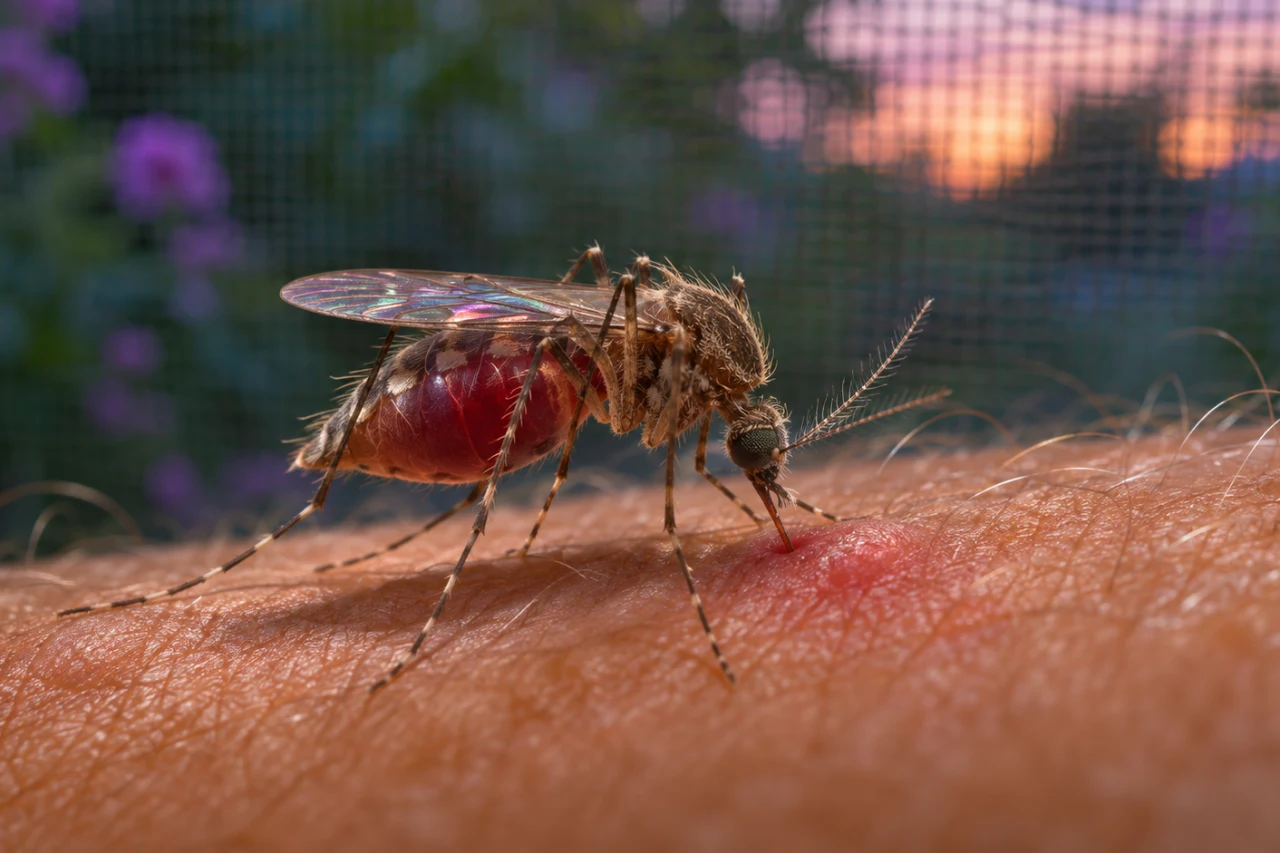
After hearing that high-pitched whine in your sleep on a summer night, you often wake up to a raised bump on your arm or leg. The mosquito took only a tiny bit of blood, so why does it itch for so long? The itch is actually made by your own body, not the mosquito. It happens because your immune system reacts to the saliva the mosquito leaves behind.
Only females drink blood
Every mosquito that bites people is female. Males live on sugary plant juices such as flower nectar, but females need the nutrients in blood to make eggs. So they push a thin mouthpart into the skin of people or animals and draw blood.
While doing this, a mosquito does not just suck up blood. It first injects its own saliva into the skin through its mouthpart. This saliva contains substances that widen blood vessels so blood flows easily and keep the blood from clotting. Thanks to them, the mosquito can fill up quickly before it gets noticed.
An immune system on alert
The trouble is that this saliva is foreign to our bodies. The immune system recognizes the proteins in the saliva as invaders and starts to react. When mast cells in the skin release substances such as histamine, nearby blood vessels widen and fluid leaks out, causing a raised swelling. Histamine also stimulates the nerves that sense itching.
That is why a red, itchy bump rises within a few minutes of a bite. In some people it swells even more or forms small blisters about a day later. These delayed reactions are known to be driven mostly by immune pathways other than histamine. Most bites settle down within ten days.
It varies by person and age
Even when bitten by the same mosquito, people react differently. Children often swell more than adults. Reactions to mosquito saliva are known not to stay the same for life but to change in stages as a person is bitten again and again. At first there is almost no reaction, then delayed swelling, then immediate swelling, and after a great many bites the reaction can become dull. In fact, in a study where volunteers were bitten by mosquitoes every two weeks for ten months, their reactions sometimes disappeared.
If you scratch hard with your fingernails because it itches, you can break the skin, and bacteria can get in through the gap and cause an infection. Instead of scratching, it is better to cool the spot, and if the swelling and itch are bad, to talk with a pharmacist or doctor about using an antihistamine.
Your immune system reacts to mosquito saliva and releases histamine, causing swelling and itching. Scratching can lead to infection, so cooling the spot is better.
Notes and references · StatPearls, Mosquito Bites (NCBI Bookshelf). A medical reference summarizing the histamine and IgE reactions triggered by mosquito saliva, immediate and delayed reactions, the stages reactions pass through with repeated bites, and secondary infection from scratching. Material from Mayo Clinic was also consulted.
Editorial standardsReport an error
Quick quiz