No. 202Money3 minviews 106
Published by GK Library Annex
Why are Korean banknotes different lengths?
They are all the same height, and there is a reason each one is 6 millimeters wider than the last
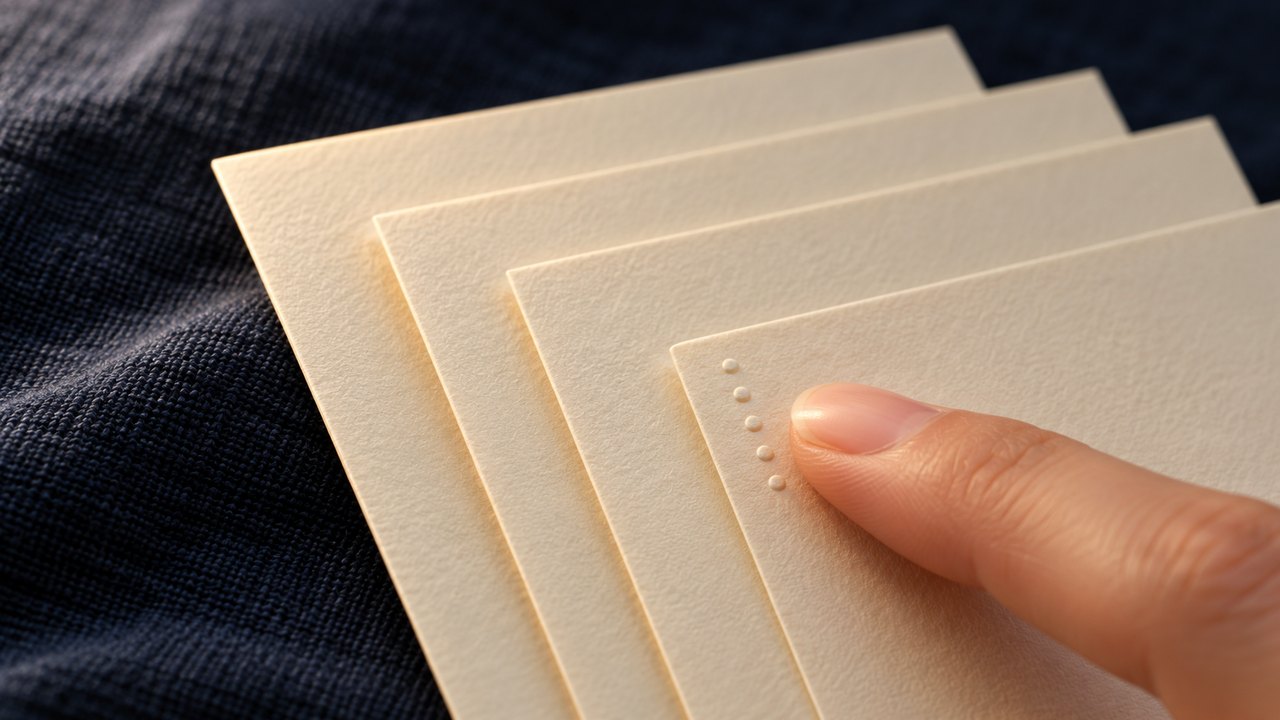
In Korea, the larger a banknote's value, the slightly wider it is. The 1,000-won note is 136 millimeters wide and the 50,000-won note is 154 millimeters, growing by 6 millimeters at each step. The design lets people judge a note's value by touch, without looking at it.
Same height, different widths
All four kinds of banknotes issued by the Bank of Korea are the same 68 millimeters tall. Their widths, however, increase in order: 136 millimeters for the 1,000-won note, 142 for the 5,000-won, 148 for the 10,000-won, and 154 for the 50,000-won.
The Bank of Korea describes this as a standard that widens only the length while keeping the height fixed. It first adopted this framework when it reorganized its banknotes in 1983, and kept it when the notes changed to today's smaller sizes starting in 2006.
Dots and lines read by fingertip
On one side of the front of each note there is a mark you can feel as a raised bump when you rub it with a finger. The 1,000-won note has one dot, the 5,000-won two dots, the 10,000-won three dots, and the 50,000-won five short lines.
These marks were introduced in 1983 so that people who cannot see well can still tell the value. They are made with a printing method that lays the ink on thickly, so on a new note the dots feel quite distinct.
When the marks wear, the width remains
The problem is that as a note passes through many hands, the raised marks wear down and become hard to feel. The same goes for notes that have been crumpled or got wet and dried.
That is when width becomes something to rely on. The Bank of Korea has even made and handed out cards that let people hold a note against them and check its value by its width. Six millimeters is a little less than the thickness of a pencil, so it is hard to judge with a single note in hand; lining it up against a reference object is far more accurate.
Each country does it differently
US dollar bills are all the same size, from the 1-dollar bill to the 100-dollar bill. Because of this, a group representing blind people in the United States filed a lawsuit saying the values were hard to tell apart, and the court ruled that the government had to provide a way to distinguish them.
Euro banknotes generally get both wider and taller as their value rises. The methods differ, but banknote sizes and marks you can feel by hand share the same purpose: letting anyone check their own money directly.
The width of a banknote and its raised dots and lines help people tell its value without looking.
Notes and references · Bank of Korea data on banknote sizes and history. Based on Bank of Korea data on banknote sizes and the tactile marks added in 1983, plus a 2015 Asia Economy report. Dollar and euro examples follow widely known sources.
Editorial standardsReport an error
Quick quiz