No. 260Health4 minviews 167
Published by GK Library Annex
Why do we snore when we fall asleep?
A look at why a throat that is quiet while awake starts to rattle and make noise once we fall asleep.
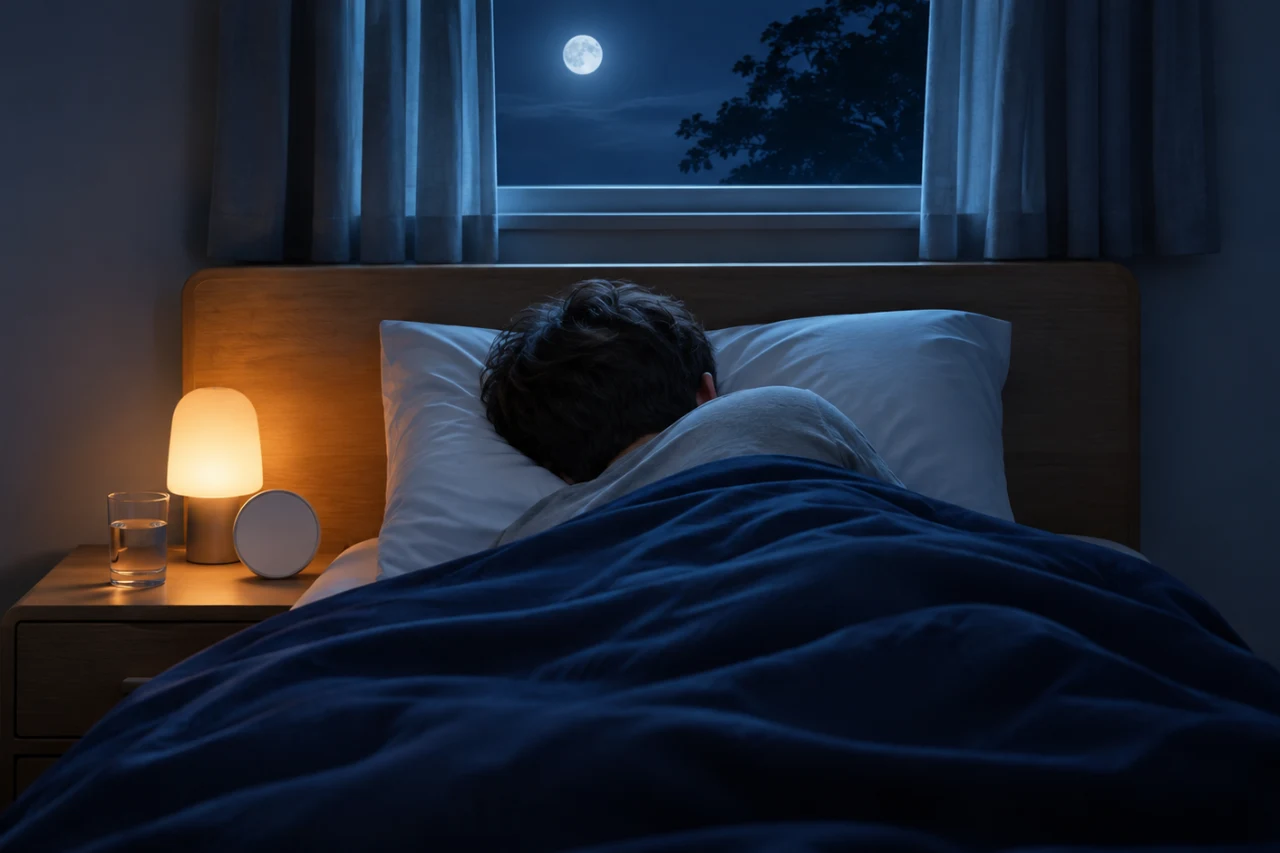
Have you ever lost sleep because of the rumbling snores of the person next to you? Yet the snorer usually breathes quietly while awake and often has no idea they snore at all. Same throat, same nose, so why does sleep bring out the noise? The secret lies in the soft tissue at the back of the throat, which goes slack while we sleep.
A slack soft palate and uvula vibrate
The front of the roof of your mouth is hard bone, and toward the back it continues as soft, pliable tissue. This back part is called the soft palate, and the little piece dangling from its end is the uvula. While you are awake, the muscles supporting the throat, tongue and soft palate keep some tension, so the airway stays comfortably open.
As you move from light sleep into deep sleep, these muscles relax. When the loosened soft palate, tongue and throat tissue partly block the airway, the air squeezing through the gap makes the tissue flutter and vibrate, much like a flag flapping noisily in the wind. Mayo Clinic in the United States explains that the narrower the airway, the faster the air flows and the stronger the vibration, so the snoring gets louder.
Louder when lying on your back
Snoring is usually worst when you sleep on your back. Gravity pulls the throat tissue inward and narrows the airway even more. That is why people are often advised to try sleeping on their side.
Alcohol before bed also relaxes the throat muscles further, making the airway easier to block. Not getting enough sleep makes the throat looser too, and nasal problems such as colds, allergies or a crooked wall between the nostrils (the nasal septum) can also encourage snoring. Built-in anatomy plays a part as well. A low, thick soft palate or a long uvula narrows the airway, and so does extra tissue around the throat from gaining weight. Men are known to snore more readily than women, snoring becomes more common with age, and having family members who snore raises the risk.
Watch for pauses in breathing
According to Cleveland Clinic in the United States, nearly everyone snores at some point in life, and babies and young children are no exception. Occasional snoring is common and usually not a big problem.
However, snoring is sometimes a sign of obstructive sleep apnea. In that case, loud snoring is followed by breathing that stops or nearly stops, and then breathing resumes with a snort or gasp, over and over. Mayo Clinic explains that people with this condition have breathing that slows or stops at least five times every hour of sleep. Not everyone who snores has sleep apnea, but if someone has seen your breathing stop during sleep, or you feel excessively sleepy during the day and wake up with a headache or a sore throat, it is a good idea to see a doctor. If a child snores, it is recommended to consult a pediatrician.
When we fall asleep, the throat muscles relax and the airway narrows, and the air passing through the gap makes the soft palate and uvula vibrate, producing the sound of snoring.
Notes and references · Mayo Clinic, "Snoring"; Cleveland Clinic, "Snoring". Based on health information from two hospitals that explains how tissue vibrates in an airway narrowed by muscles relaxing during sleep, causes such as sleeping on your back, alcohol and nasal congestion, and the warning signs of sleep apnea.
Editorial standardsReport an error
Quick quiz