No. 264Health4 minviews 172
Published by GK Library Annex
Why do we wake up with sleep in our eyes?
A look at what the crust in the corners of your eyes is made of, and why it rarely forms while you are awake.
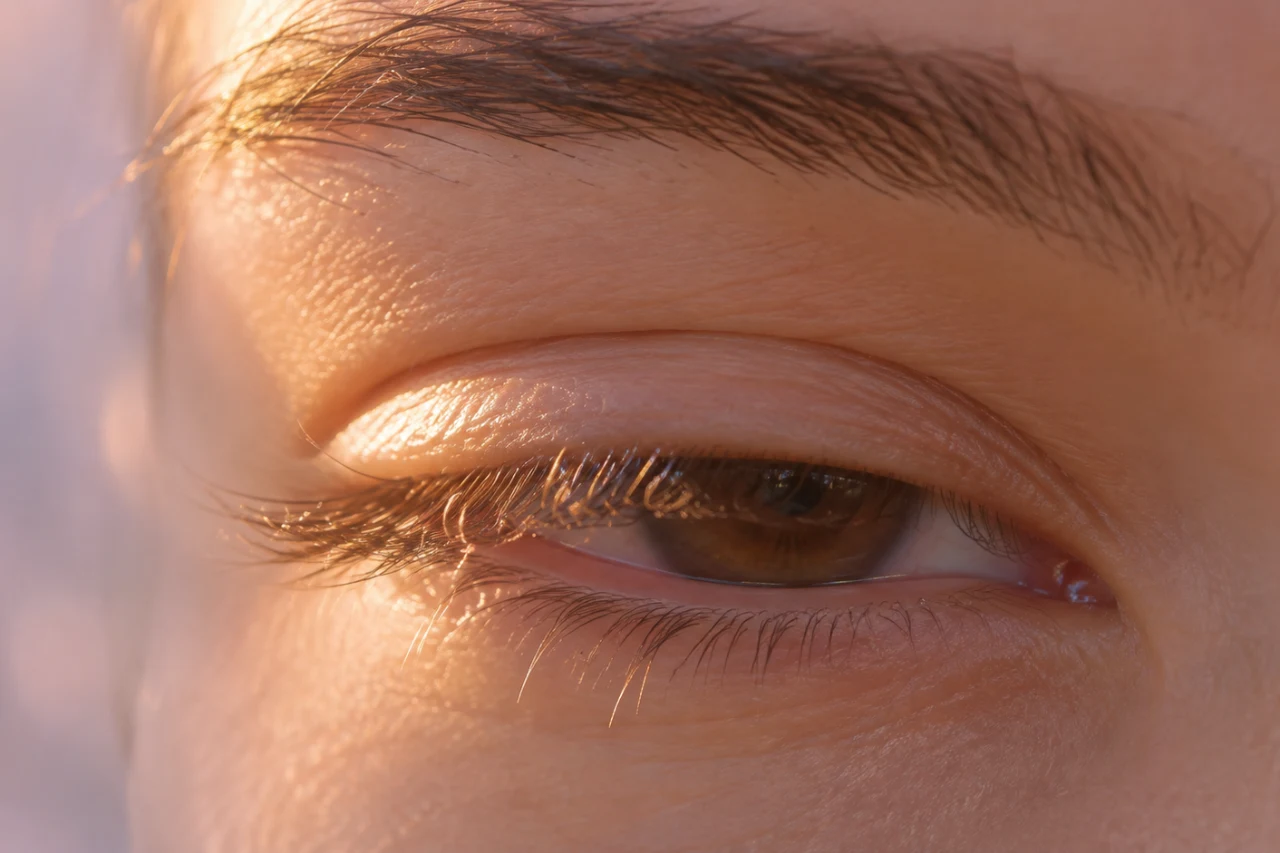
Sometimes when you open your eyes in the morning, your fingertip catches a small dried clump at the corner of your eye. Why does this "sleep" show up after a night in bed when you hardly ever see it during the day? Eye crust is simply the leftover residue of the eye's normal way of protecting itself. The secret lies in the blinking that stops while you sleep.
What is eye crust made of?
The surface of your eye is always covered by a thin tear film. Cleveland Clinic in the United States explains that this tear film is a mixture of water, oil and mucus. The oil helps keep the water in your tears from evaporating too quickly.
According to the American Academy of Ophthalmology (AAO), eye crust is a collection of mucus from the conjunctiva, the membrane that covers the white of the eye and the inside of the eyelids, oil from the meibomian glands inside the eyelids, and various debris from the surface of the eye. Cleveland Clinic adds that tears, old skin cells that have flaked off and dust from the environment can be mixed in as well. In other words, the mucus traps tiny specks that get into your eye and gathers them together.
The night blinking stops
While you are awake, you blink all day long. Every blink sweeps the eyelid across the surface of the eye like a windshield wiper, and tears wash away the mucus and debris together. That is why any discharge that forms during the day is quickly flushed away and is hard to notice.
When you fall asleep, the blinking stops. The American Academy of Ophthalmology explains that because you do not blink while sleeping, the discharge that cannot be washed away collects in the corners of the eyes and along the base of the lashes. The crust that builds up this way may be hard and dried out, or it may stay sticky or moist. The AAO says that even normal eye crust can be yellow and hard, or look clear and sticky, or thin and watery.
When to see an eye doctor
Most eye crust is normal, so there is usually nothing to worry about. To remove it, wash your hands first, then soak a clean washcloth in warm water and gently wipe it over your eyelids and lashes. The American Academy of Ophthalmology advises avoiding hot water, which can injure the skin of the eyelids, and not rubbing your eyes with your hands, since hands can carry germs.
Still, discharge that is different from usual deserves attention. It is a good idea to see an eye doctor if you have a lot of green, yellow or white discharge, if your eyelids stick together and you have trouble opening your eyes, if your eye is red, swollen or painful, or if your vision is blurry or light feels unusually bright. Cleveland Clinic also advises talking to an eye care specialist if the amount, color or texture is unusual for you. If one eye is inflamed, it is best to use a separate clean washcloth for each eye.
While you are awake, mucus, oil and debris are washed away with every blink, but when blinking stops during sleep they collect at the edges of the eyes and become eye crust.
Notes and references · AAO "What Is Sleep Crust?" and Cleveland Clinic "Eye Discharge". We referred to health information from the American Academy of Ophthalmology and Cleveland Clinic that explains what eye crust is made of, why it builds up during sleep, how to clean it safely and the signs that call for an eye doctor.
Editorial standardsReport an error
Quick quiz