No. 195Time3 minviews 90
Published by GK Library Annex
Why does an hour have 60 minutes, not 100?
Sixty minutes and sixty seconds come from the base-60 counting of Mesopotamia some 4,000 years ago. Here is also how the words minute and second got their names
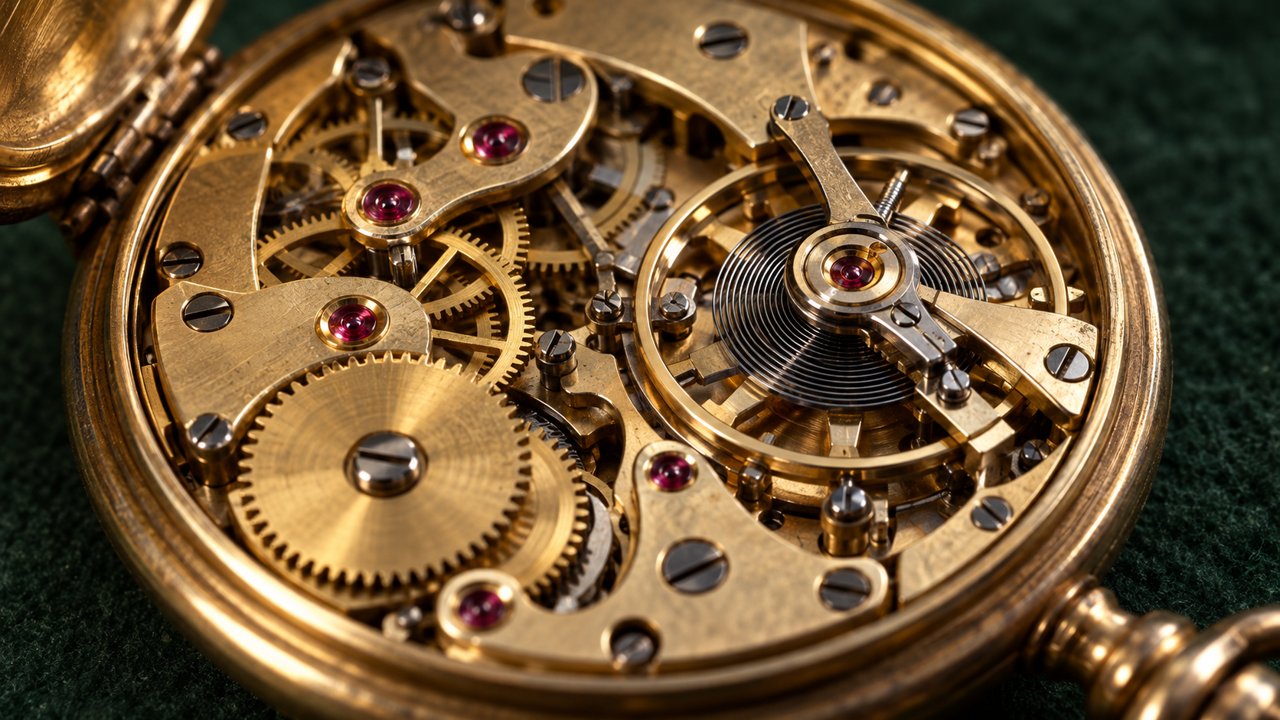
An hour has 60 minutes and a minute has 60 seconds because the base-60 counting used by people in ancient Mesopotamia has carried on to this day. Dividing the day into 24 hours started in a different civilization, Egypt.
60 is an easy number to divide
From around 2000 B.C., the Sumerians and Babylonians counted in groups of 60 instead of 10. No one knows exactly why they chose 60. But 60 is the smallest number that divides evenly by every number from 1 to 6, as well as by 10, 12, 15, 20 and 30.
That is why half an hour is 30 minutes, a third is 20 minutes and a quarter is 15 minutes, all without decimals. If an hour had 100 minutes, a third of an hour would be 33.33… minutes.
The 24 hours came from Egypt
Egypt is usually named as the first civilization to divide the day into smaller parts. Around 1500 B.C., Egyptians used sundials to split the time the Sun was up into 12 parts, and when the night was also split into 12, the day had 24 hours. The number 12 is thought to be linked to the number of months in a year, or to counting the 12 finger joints of the other four fingers with the thumb.
But an hour back then changed length with the seasons. An hour of a long summer day was longer than an hour of a winter day.
What minute and second mean
Minutes and seconds were originally units for dividing angles, not time. Greek astronomers took over the Babylonian base-60 methods, and around the 2nd century Ptolemy split one degree of a circle into 60 parts, then split each of those into 60 again.
The Latin phrase for the first small part became the English word minute, and the phrase for the second small part became second. Writing latitude and longitude on maps in degrees, minutes and seconds is still a trace of this.
There was once a 10-hour day
Minutes and seconds showed up properly on clocks later than you might think. Hours of equal length spread widely once mechanical clocks appeared in 14th-century Europe, and minutes and seconds only settled onto clock faces in the 1660s, when accurate pendulum clocks arrived.
In the 1790s, France tried to make time decimal like the meter, setting a day of 10 hours with 100 minutes each. But people could not let go of the familiar system, and it was dropped after 16 months.
An hour has 60 minutes because Mesopotamia's easy-to-divide base-60 counting reached our clocks via astronomy.
Notes and references · Scientific American, Michael A. Lombardi (NIST), 2007. Explains base-60 counting, the 24-hour day and the origin of minute and second. Why 60 was chosen is unknown; clock history is from the magazine's "A Chronicle of Timekeeping"
Editorial standardsReport an error
Quick quiz