No. 215Psychology4 minviews 67
Published by GK Library Annex
Why do almost no memories from before age three survive?
Babies do form memories. But most of them fade as we grow, and the earliest memory usually dates from around age three
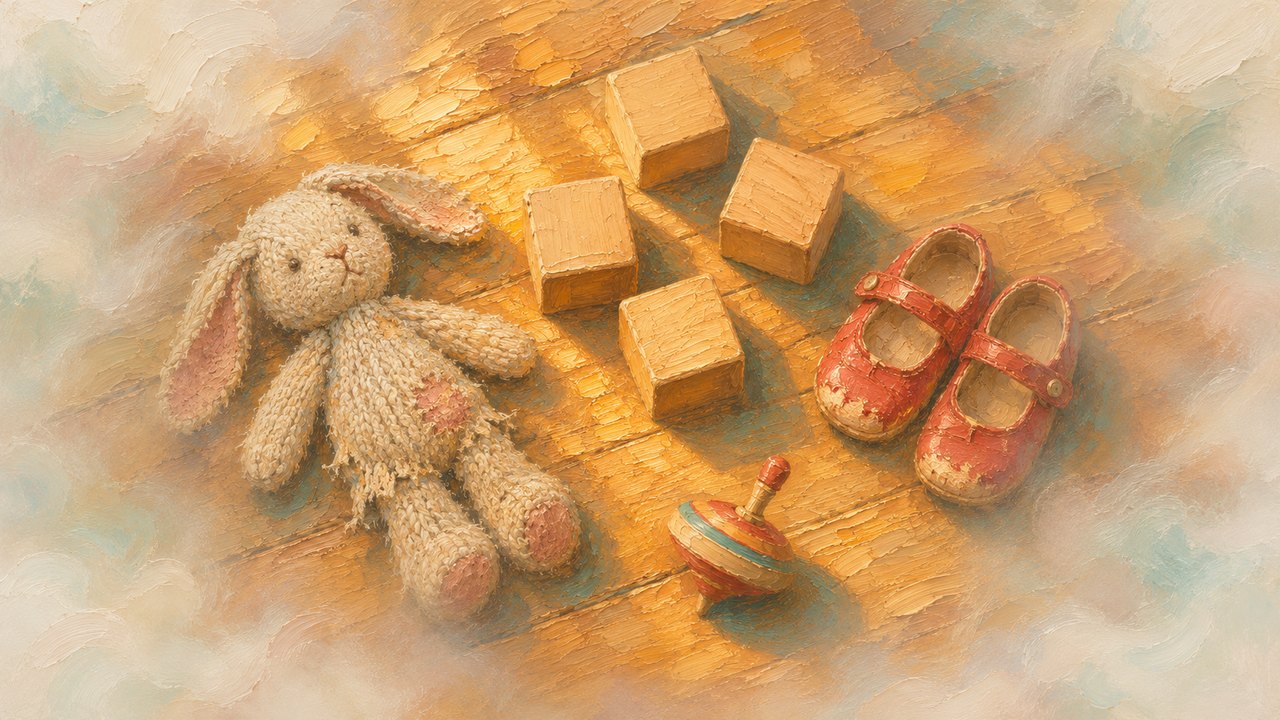
Most adults can recall almost nothing from before age three, or for some people three or four. Psychologists call this infantile amnesia. The current explanation is not that babies can't form memories, but closer to this: the memories they do form mostly disappear while they grow up.
Three-year-olds did remember
A research team led by Patricia Bauer at Emory University in the US recorded three-year-olds talking with their mothers about recent events such as a trip to the zoo. Years later, the researchers asked the same children about those events again.
In results published in 2014, children aged five to seven still remembered roughly 60 to 70 percent of the events, but at eight to nine only about 35 percent remained. Things they clearly recalled at three faded quickly once they reached school age. The team saw age seven or so as the period when many early memories slip away.
Why do they get erased?
One explanation is that the brain is still under construction. In early life, the hippocampus, which ties memories together, produces a great many new neurons. In a mouse experiment published in the journal Science in 2014, the more new neurons formed, the more the mice forgot what they had already learned. Whether this applies to humans in the same way is still being checked.
Another explanation is that language and the sense of "me" develop later. Memories formed before a child can put events into words and bundle them as "something that happened to me" lack handles to pull them out later. In 2025, Yale researchers scanned the brains of 26 babies aged 4 to 24 months and saw the hippocampus storing new scenes in memory, especially from around the first birthday. The result supports the view that memories are formed even in infancy.
What about people who remember being two?
When British researchers asked 6,641 people about their earliest memory in 2018, 38.6 percent said they recalled something from before age two. Of those, 893 said their memory came from before age one. The researchers judged that many of these memories were likely not real experiences but scenes built later from photos, stories told by family, or things that commonly happen to babies.
This means a memory can feel vivid to you and still have mixed-up sources. If you wonder whether your first memory has blended with someone else's story, think about whether you first saw that scene in a photo or heard it in a family story.
Babies do form memories, but most fade as they grow, so adults' earliest memories usually date from around age three.
Notes and references · Bauer & Larkina 2014; Akers et al. 2014; Akhtar et al. 2018. Child follow-up: Memory 2014. Neuron experiment: Science 2014 (mice). First-memory survey: Psychological Science 2018. Infant hippocampus scans: Yale, Science 2025. Several explanations are still debated.
Editorial standardsReport an error
Quick quiz