No. 285Time3 minviews 33
Published by GK Library Annex
Why is jet lag worse when you fly east?
Because your body clock runs a little longer than 24 hours a day.
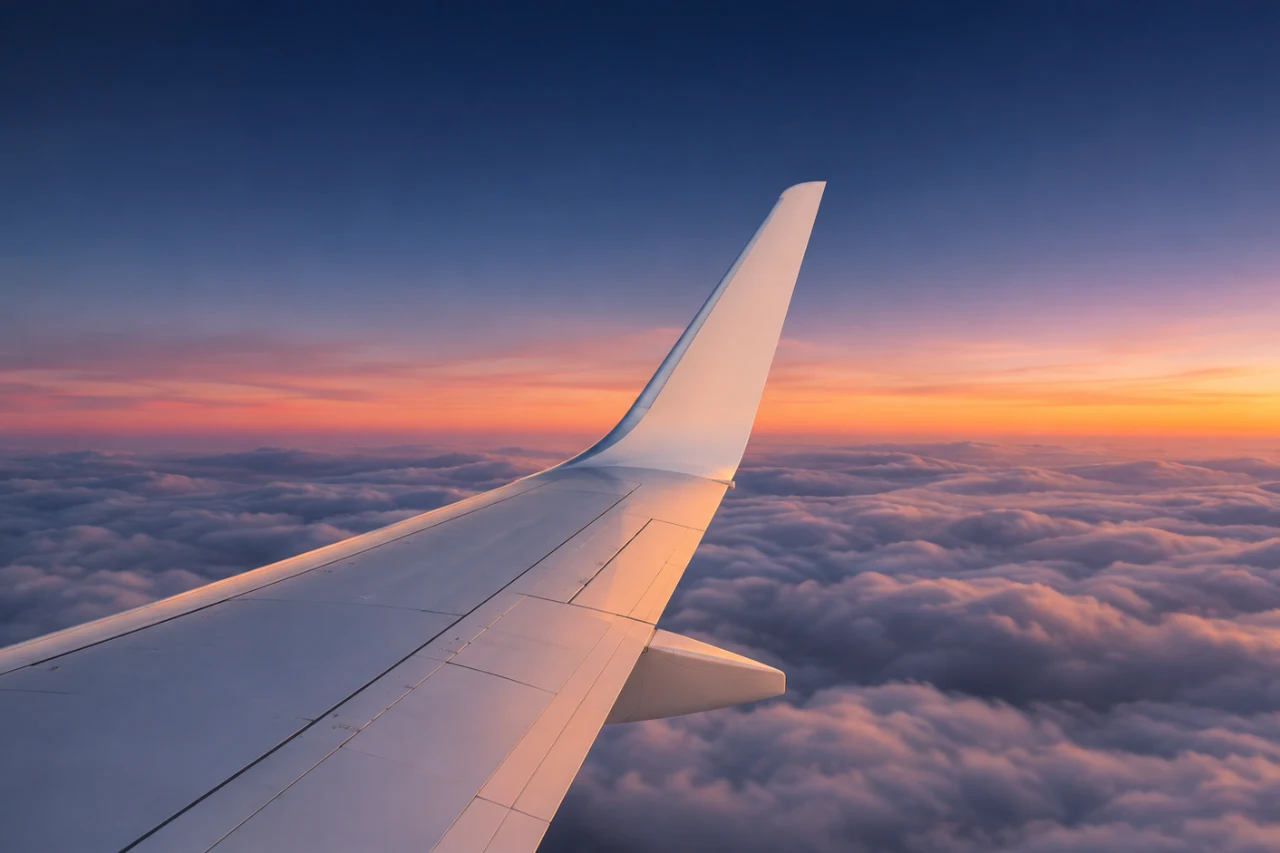
People often say that after a trip to Europe, they spend days back in Korea unable to sleep at night and drowsy during the day, while the flight from Korea to Europe felt easier. It is not just in their heads. Adjusting to a new time zone really does go differently depending on the direction you fly, and the difference comes from how our internal clock works.
Your body clock runs a little longer than 24 hours
Your body has a biological clock that regulates sleep and wakefulness, body temperature and hormone release on a daily cycle. One turn of this clock runs a little longer than 24 hours. Morning light is a signal that moves the clock earlier, so every day we use light to keep the clock matched to 24 hours.
Jet lag happens when this clock falls out of step with day and night at your destination. Mayo Clinic explains that jet lag symptoms can appear when you cross two or more time zones. You may have trouble falling asleep at night, feel sleepy or find it hard to concentrate during the day, or have an upset stomach.
Flying east shortens your day
When you fly east, the clock at your destination is ahead, so from your body's point of view the day has been shortened. Your body still feels it is early evening, but locally it is already time for bed. Flying west, on the other hand, makes the day longer.
For a clock that naturally tends to run longer than 24 hours, lengthening the day is easier than shortening it. According to a review of jet lag research, the body adjusts to the new time at about 1 time zone per day after flying east and about 1.5 time zones per day after flying west. This means that even with the same time difference, adjusting after an eastward trip can take several days longer.
The key is when you see light
Light is the strongest signal for setting the body clock. Morning light moves the clock earlier, and evening light pushes it later. So after flying east, morning sunlight helps, and after flying west, evening light helps.
However, if you have crossed more than eight time zones going east, there is a recommendation to treat the trip like westward travel. Mayo Clinic also advises wearing sunglasses and avoiding bright light in the morning in that case. Another option is to start shifting your bedtime by one hour a day a few days before you leave: earlier when heading east, later when heading west.
Your body clock finds it easier to lengthen a day than to shorten it, so jet lag lasts longer after eastward trips, which shorten your day.
Notes and references · Mayo Clinic · J Fam Med Prim Care. Mayo Clinic, "Jet lag disorder" symptoms and causes; Ambesh et al., "Jet lag: Heuristics and therapeutics" (J Family Med Prim Care, 2018).
Editorial standardsReport an error
Quick quiz